
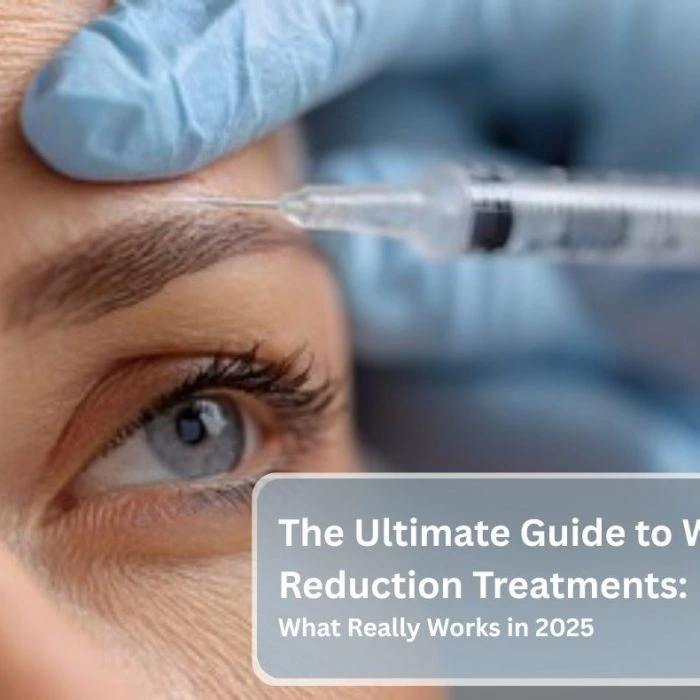

The Ultimate Guide to Wrinkle Reduction Treatments: What Really Works in 2025
[ Wrinkle reduction treatments may help improve the appearance of lines and skin texture. This blog explores the science behind wrinkles, the top treatments available in 2025, and how to choose the right approach for your skin type and lifestyle, backed by expert tips, technology, and proven skincare habits.]
Introduction
In 2025, Australians are investing more than ever in wrinkle reduction treatments, reflecting a booming demand for non-surgical aesthetic solutions. An average Australian spends approximately $470 monthly on personal care and beauty, with a significant portion allocated to cosmetic treatments (Finder).
This guide explains how wrinkles form and the range of treatment approaches available, helping you prepare for a doctor consultation based on your skin type, goals and lifestyle.
Table of Contents
The Science Behind Wrinkles
Before diving into solutions, it helps to understand why wrinkles form. Our skin naturally loses collagen and elastin as we age. These are the proteins that keep your skin firm and stretchy. At the same time, constant facial expressions—raising your eyebrows, squinting, frowning—create lines that eventually stick around. Add in sun damage, pollution, dehydration, and stress, and your skin ends up tired and lined.
Forehead wrinkles are often the first to show up. This is because your forehead moves a lot. Every expression adds up over time. So, focusing on forehead wrinkle reduction early on can make a big difference.
Top Wrinkle Reduction Treatments in 2025
Wrinkle treatments differ in how they work and the results they aim for. Here is an overview of common approaches:
- Laser resurfacing: may help improve the appearance of fine lines and skin texture over a course of treatment.
- Microneedling: Uses tiny needles to stimulate collagen. Good for texture, scars, and early wrinkles.
- Laser resurfacing: Targets sun damage, pigmentation, and fine lines by boosting skin regeneration.
- Chemical peels: Exfoliates the top layer of skin, improving tone and texture.
- Topical treatments: Think retinol, peptides, and hyaluronic acid. These support the skin over time and are great between in-clinic sessions.
Choosing the best wrinkle reduction treatment depends on your skin type, age, and goals. Often, combining methods gives the best outcome.
Book a Wrinkle Consultation at Cosmetic Doctors, Skin and Hair Clinics
Forehead Wrinkle Reduction That Actually Works
Let’s talk forehead lines. These stubborn creases tend to settle in before other wrinkles. It works by relaxing the muscles that cause those deep grooves.
Pair that with retinol or peptide serums, and you’ve got a winning combo. Retinol boosts cell turnover and collagen, while peptides help rebuild skin. Stick with it, and those lines can soften noticeably.
Which Treatment Suits Your Skin Type?
Here’s the truth: there is no one-size-fits-all solution. The best wrinkle removal treatment is the one that works for your unique skin.
- Dry skin? You might need richer creams and gentle exfoliation.
- Oily or acne-prone? Lightweight, non-comedogenic formulas are your friend.
- Sensitive skin? Start with low-strength actives like bakuchiol or niacinamide.
And don’t forget—consistency matters more than anything. Even the best products need time and regular use to deliver.
Boosting Results with At-Home Care
A smart at-home routine keeps your skin in top shape between treatments. Retinoids remain the backbone of anti-aging skincare. They boost collagen and help with pigmentation and fine lines.
Add a hydrating serum with hyaluronic acid and always follow with SPF during the day. Moisturizers with ceramides or peptides can help rebuild and protect your skin barrier. Little habits, big results.
Technology Is Changing the Game
The best wrinkle reduction treatments today are powered by science. We’re talking encapsulated delivery systems, microneedling pens, and transdermal devices that push active ingredients deeper into your skin without causing harm.
These high-tech tools make your treatments more effective and less irritating. So, whether you’re using a serum at home or getting a clinic procedure, the latest tech is helping ingredients work smarter, not harder.
Be Careful with Marketing Hype
Not every product lives up to its packaging. Look for ingredients with published evidence, such as retinol, peptides, vitamin C and AHAs, and ask your doctor what suits your skin.
The wrinkle reduction treatment is backed by research, not buzzwords. Watch out for alcohol-heavy formulas or products with vague ingredient lists.
Healthy Habits That Support Smooth Skin
Healthy skin is supported by lifestyle. Stress, lack of sleep, dehydration and sun exposure all affect skin. Here are six habits that may support skin health.
- Stay Well-Hydrated: Drinking around 2–3 L of water daily helps maintain skin’s elasticity and plumpness, reducing fine lines and supporting overall skin health.
- Use Daily Sunscreen: Apply broad-spectrum SPF every morning. It shields collagen from UV damage and prevents premature wrinkling by blocking harmful UVA/UVB rays.
- Prioritize Quality Sleep: Deep sleep boosts skin repair and collagen production. Lack of sleep raises cortisol, weakening the barrier and increasing visible aging.
- Eat Antioxidant Food: A diet rich in berries, leafy greens, nuts, and fatty fish provides collagen-supporting nutrients and fights inflammation that speeds aging.
- Practice Facial Massage: Simple massages improve blood flow, reduce tension, stimulate lymphatic drainage, and enhance product absorption for smoother skin.
- Avoid Harmful Habits: Skip smoking, excessive sugar, and alcohol. These speed up aging, damage collagen, and dehydrate skin—undermining treatment results.
Final Thoughts
To reduce the appearance of wrinkles, start with a doctor consultation to assess your skin, then consider options such as microneedling, laser resurfacing and a consistent skincare routine with retinoids and daily SPF. Choose products and procedures based on your skin type, not trends. Avoid marketing gimmicks and stick to ingredients backed by research. Support your results with healthy habits: hydration, sleep, sunscreen, and a balanced diet. For best outcomes, combine professional Wrinkle Reduction Treatments with at-home care and routine maintenance.
Discuss Wrinkle Treatment Options with Our Doctors
FAQ
How long any wrinkle treatment lasts depends on the treatment, your skin and lifestyle; your doctor will explain this at consultation.
Minimal downtime is common—some redness or swelling for a day or two, but you can usually resume activities immediately.
Most treatments are mildly uncomfortable. Numbing creams or ice are often used to make the experience more comfortable.
Early 30s is common, but starting when fine lines first appear helps prevent deeper wrinkles from setting in.
Yes. Many people combine treatments such as microneedling, laser and skincare to address different signs of ageing, following doctor assessment.