
Doctor-Led Cosmetic Clinic in Sydney
Hair Transplant in Sydney
Dr Sana Pirzada — Medical Practitioner (General Registration), Ahpra MED0001970963.
Hair transplantation relocates hair follicles from a donor area to an area of hair loss. It is a procedure involving skin penetration, recovery and potential complications. Suitability depends on the cause and stability of hair loss, donor hair, medical history and expectations. An individual consultation is required before a treatment decision.
Risks include pain, bleeding, infection, scarring, altered sensation, shedding, poor graft growth and an unsatisfactory appearance. Results vary; a transplant does not stop all future hair loss. Alternatives, including no procedure, should be discussed.
Doctor led approach
Technique Options Discussed
Individual Treatment Planning
Recovery and Risks Discussed
Hair Loss Assessment with a Doctor
hair assessment
Confirm the consultation fee, practitioner and service location before booking. Suitability is determined after individual assessment.
Request a Call Back
Hair transplant assessment and limitations
Assessment of Hair Loss Patterns
Hair transplantation may be considered for selected patients experiencing pattern hair loss, receding hairlines or thinning areas. Suitability depends on the cause and extent of hair loss, donor hair availability and individual health factors.
Individualised Hair Restoration Planning
Our clinicians assess your hair loss history, scalp condition and available donor hair before discussing potential treatment approaches. Hair transplantation is not appropriate for every type of hair loss, and alternative options may be recommended.
Growth is variable
Graft survival, growth, coverage and density vary. Transplantation does not stop future loss of non-transplanted hair and additional care may be needed.
Recovery After Hair Transplantation
Hair transplantation involves a recovery period that varies between patients. Temporary swelling, redness, scabbing, discomfort and visible changes to the donor or recipient areas may occur. Your clinician will explain potential complications, expected recovery and aftercare requirements.
Information to discuss before deciding
Clinical Assessment and Planning
Hair transplant suitability is assessed individually, taking into account medical history, hair loss patterns and donor hair availability.
Technique Options
Technique options, including whether FUE or equipment-assisted approaches may be appropriate, are discussed after individual assessment. The available technique, treating practitioner and facility will be confirmed before any procedure is recommended.
Understanding Graft Survival
Not all transplanted grafts necessarily survive or produce visible hair growth. Graft survival, hair coverage and overall outcomes vary between patients. Your clinician will explain realistic expectations and limitations.
Individual Hairline Planning
Hairline design considers facial proportions, existing hair characteristics and donor hair availability. The final appearance and density cannot be guaranteed.
Consultation and Procedure Locations
Consultation availability and hair transplant procedure locations may differ. Contact the clinic to confirm the current practitioner, site, consultation fee and available treatment pathway.
Procedure and follow-up information
1
Consultation
A clinician reviews your hair loss history, medical background, scalp condition and donor hair availability. Potential treatment options, expected outcomes, limitations and risks are discussed.
2
Follicle Extraction
Where appropriate, follicular units are collected from a donor area using the selected technique. Extraction may involve discomfort, bleeding, scarring or other complications, and not all grafts necessarily survive.
3
Graft Preparation
Collected follicular units are assessed, prepared and handled according to the clinic’s clinical protocols before transplantation.
4
Implantation
Recipient sites are prepared and follicular units are placed according to the individual surgical plan. The final hair growth pattern, coverage and density vary between patients.
5
Recovery and Follow-Up
Temporary swelling, redness, scabbing and discomfort may occur. Some transplanted hair may initially shed, and regrowth can take several months. Follow-up appointments allow the clinician to assess healing, discuss progress and provide ongoing advice.
COMMON HAIR TRANSPLANT CONCERNS
RECEDING HAIRLINE
CROWN BALDING
DIFFUSE THINNING
NORWOOD STAGE 2 TO 6
FEMALE PATTERN HAIR LOSS
DONOR AREA OPTIMISATION
HAIRLINE LOWERING
LINEAR SCAR CAMOUFLAGE
What Is a Hair Transplant?
Hair transplantation moves a limited supply of donor follicles to a recipient area. It does not create new donor hair or prevent all future hair loss. The appearance, coverage and density cannot be guaranteed.
Assessment and alternatives
A doctor should assess the cause and progression of hair loss, scalp condition, available donor hair, medical history, medicines and expectations. Some forms of hair loss require further investigation or referral. Transplantation may be unsuitable, or postponement may be advised. Discuss monitoring, non-procedural options and choosing no treatment.
Techniques and practitioner roles
Follicular unit excision (FUE) removes individual follicular units. Follicular unit transplantation (FUT) uses a strip of donor scalp. Both involve wounds and scarring. Automated or robotic assistance does not remove procedural risks or guarantee growth. Ask which technique is proposed, why it is suitable and who will perform each stage. Confirm the treating practitioner’s registration and relevant training before deciding.
Potential risks and limitations
Risks include pain, swelling, bruising, bleeding, infection, scarring, altered sensation, cysts or inflamed follicles, loss of existing hair, donor-area thinning, poor graft survival, uneven growth and an unsatisfactory appearance. Reactions to anaesthesia or other products can occur. Some complications can be lasting and further care or procedures may be needed. Ask the treating practitioner to explain risks relevant to your health and proposed procedure.
Recovery and outcomes
Recovery varies. Redness, tenderness, swelling and scabbing can occur. Follow the individual instructions about washing, activity and protecting treated areas. Shedding may occur after the procedure and visible growth takes months. Not all grafts survive; existing hair may continue to thin. A fixed recovery time, hair density or final result cannot be promised.
Costs and follow-up
Before committing, request written information about the proposed procedure, total costs, inclusions, follow-up and possible additional costs. Ask how complications are managed and who to contact after the procedure. Seek prompt medical advice for unexpected symptoms and urgent care for severe symptoms.
Making a decision
Take time to consider the information and ask questions. A consultation does not commit you to a procedure. This page provides general information and does not replace individual assessment or informed consent.
HAIR TRANSPLANT ASSESSMENT
- Doctor Consultation
- Hair & Scalp Assessment
- Personalised Treatment Plan
Confirm consultation fees before booking. Request a written explanation of proposed treatment costs, aftercare, follow-up and any additional care before deciding. There is no obligation to proceed.
What's Included
- Doctor Consultation
- Hair & Scalp Assessment
- Hairline Design Discussion
- Personalised Treatment Plan
- Treatment Options Discussion
FREQUENTLY ASKED QUESTIONS
Q1: How much does an FUE hair transplant cost?
Costs depend on the individual procedure. Ask for a written quote covering the procedure, aftercare, review appointments and possible additional care before deciding. Confirm consultation fees before booking.
Q2: How many grafts will I need?
The proposed graft number depends on donor availability, the recipient area, hair characteristics, future hair loss and clinical assessment. More grafts do not guarantee a better result; excessive harvesting can damage the donor area.
Q3: Does a hair transplant hurt?
Discomfort can occur during and after the procedure. Ask how pain is managed and what risks are associated with the proposed anaesthesia. The procedure should not be described as painless.
Q4: What is shock loss after a hair transplant?
Shedding can occur in transplanted and nearby existing hair after a procedure. Recovery and regrowth vary and lost hair does not always recover. Discuss the risk for your circumstances before proceeding.
Q5: Can women have a hair transplant?
Suitability is assessed individually and depends on the cause and pattern of hair loss, donor hair, scalp health and medical history. Some people with diffuse hair loss are unsuitable. A diagnosis and discussion of alternatives should come first.
Dr Sana's Consulting Days
Mount Annan
Monday &
Thursday
Eastgardens
Tuesday &
Saturday
Chatswood
Wednesday &
Friday
Conveniently Located Clinics
Contact the clinic to confirm the service location, practitioner and appointment availability.

Mount Annan
Shop 23A Mt Annan Market Place 11-13 Main St, Mt Annan, NSW 2567
Mon – Fri: 9am – 5pm | Sat: 9am – 2pm

Eastgardens
Shop 344, Westfield Eastgardens 152 Bunnerong Road, Eastgardens NSW 2036
Mon – Fri: 9am – 5pm | Sat: 9am – 2pm

Chatswood
Suite 1101, South, Tower, 1/5 Railway St, Chatswood NSW 2067
Thu – Sat: 10am – 6pm | Sat: 10am – 6pm
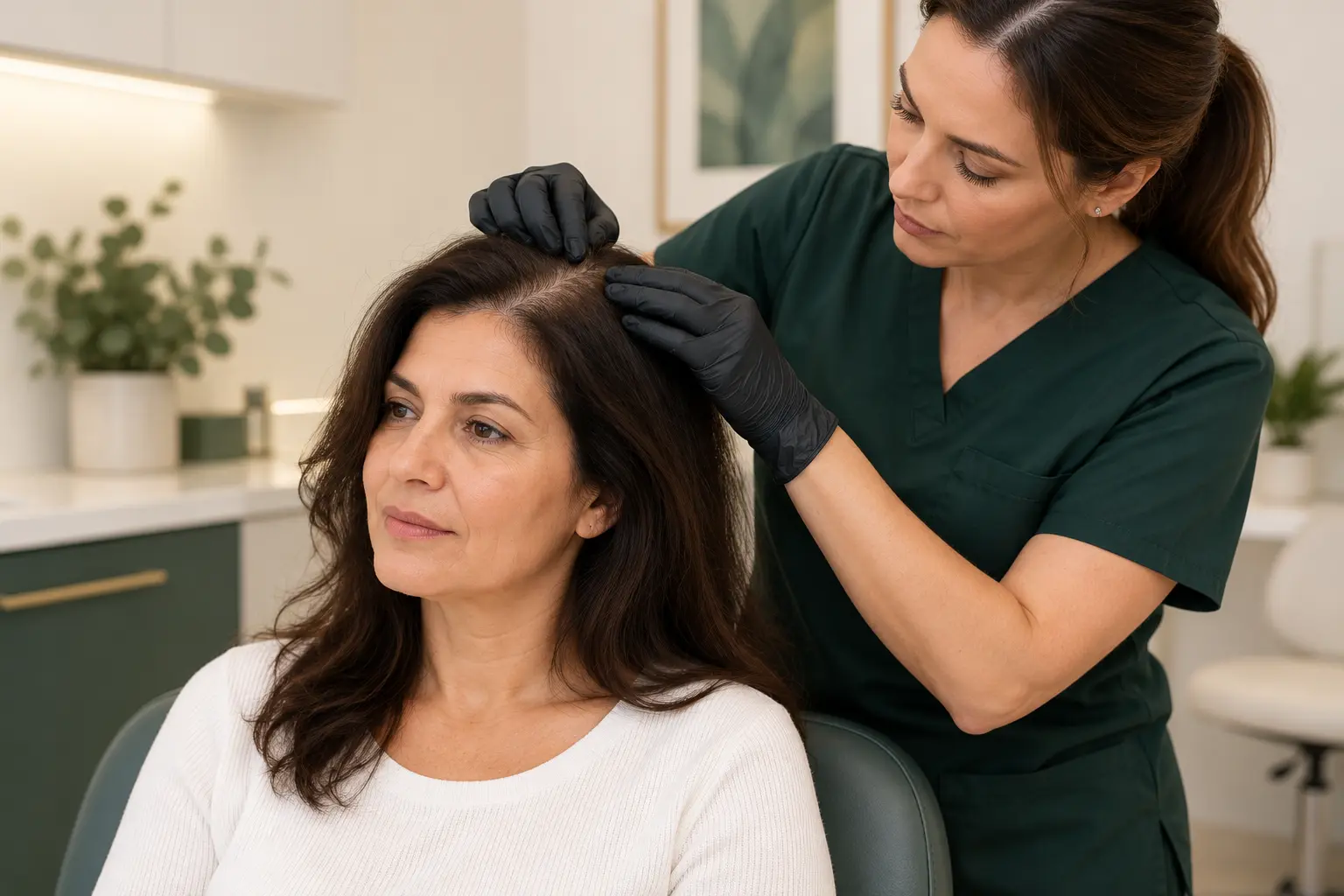
Book a Hair Loss Assessment
Contact the clinic to ask about an individual hair loss assessment. Confirm the practitioner, location and consultation fee before booking.
All procedures carry risks. Suitability and outcomes vary. Assessment does not commit you to treatment; choosing no procedure is an option.