
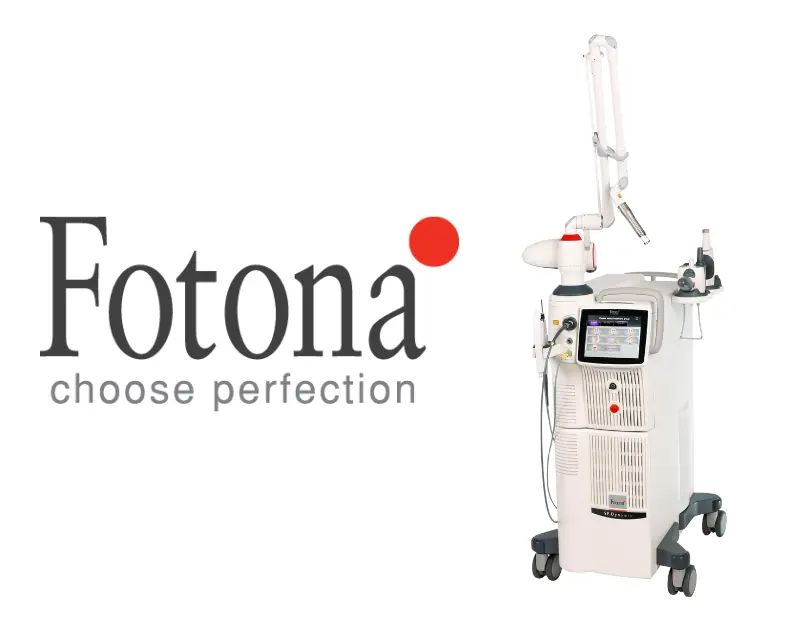
Fotona Nd:YAG · PLLT · Sydney
PLLT Laser Toning Sydney
Fotona’s PLLT (Pulsed Light Laser Toning) delivers low-fluence, high-repetition Nd:YAG laser pulses designed to address pigmentation irregularities, melasma, and post-inflammatory hyperpigmentation in Sydney — with a reduced risk of post-treatment pigmentation changes, particularly in darker skin types. If you’re considering a medically supervised, low-downtime approach to managing uneven skin tone, a consultation with our practitioners is the recommended first step.
About PLLT — Pulsed Light Laser Toning
Low-Fluence Nd:YAG for Skin Tone & Pigmentation in Sydney
PLLT (Pulsed Light Laser Toning) is a gentle, sub-ablative approach to skin tone improvement using low-energy, high-repetition Nd:YAG laser pulses. Unlike traditional high-fluence laser treatments, PLLT delivers energy below the ablation threshold — targeting melanin granules within the dermis and epidermis without causing visible surface injury. This may help reduce the appearance of melasma, post-inflammatory hyperpigmentation, and uneven skin tone, and is a clinical consideration for skin types where conventional laser toning may carry a higher risk of adverse outcomes. At our Sydney clinics, PLLT is delivered within a medically supervised pigmentation management programme, which may incorporate complementary modalities such as chemical peels depending on your individual skin assessment. (Internal link: Chemical Peels — placed here because peels are a well-established adjunct to laser toning in melasma management plans; natural, evidence-supported pairing.) A medical consultation is required to assess individual suitability.
Key Benefits
Why Consider Fotona PLLT in Sydney?
Gentle, sub-ablative laser toning designed for pigmentation and skin tone concerns
Designed for Pigmentation
Suitable for Darker Skin Tones
May Help with Melasma
No Surface Ablation
Overall Skin Tone Improvement
Medically Supervised
How Fotona PLLT Works
Sub-ablative, selective photothermolysis of melanin pigment granules
01
Low-Fluence Laser Pulses
PLLT delivers multiple low-energy Nd:YAG pulses at high repetition across the treatment area. Each pulse is calibrated to deliver sub-ablative energy — sufficient to act on melanin pigment granules without causing visible surface disruption or injury to surrounding skin tissue.PLLT delivers multiple low-energy Nd:YAG pulses at high repetition across the treatment area. Each pulse is calibrated to deliver sub-ablative energy — sufficient to act on melanin pigment granules without causing visible surface disruption or injury to surrounding skin tissue.
02
Melanin Targeting
The 1064nm wavelength is selectively absorbed by melanin pigment granules within the epidermis and upper dermis. This gentle photothermal effect is designed to fragment pigment without the level of thermal injury associated with higher-fluence approaches — an important consideration when managing pigmentation in deeper skin tones. If you are exploring how PLLT compares to other laser modalities, our PICO laser treatments and IPL treatments pages outline how these options differ for various pigmentation types and skin tone classifications, subject to clinical assessment.
03
Progressive Tone Improvement
Over a structured course of sessions, fragmented melanin is gradually cleared by the body’s immune cells. Skin tone and pigmentation concerns may improve incrementally, with continued changes observed between sessions as melanin is metabolised and the skin renewal process progresses.
Skin Concerns Addressed
What PLLT May Help Address
Subject to individual clinical assessment and diagnosis of the pigmentation concern
Melasma
Sun Spots & Solar Lentigines
Dull or Lacklustre Complexion
Age Spots on Hands & Face
Post-Inflammatory Hyperpigmentation
Uneven Skin Tone
Post-Acne Dark Marks
Diffuse Facial Pigmentation
Candidacy
Is This Treatment Right for You?
Suitability for PLLT laser toning in Sydney is assessed on an individual basis at your consultation. Our qualified practitioners will review your medical history, Fitzpatrick skin type, UV exposure history, and specific pigmentation concerns to determine whether this treatment may be appropriate as part of your overall management plan.
This treatment may be of interest to you if you have concerns including:
- Melasma or hormone-related facial pigmentation
- Post-inflammatory hyperpigmentation following acne, injury, or procedures
- Sun spots, age spots, or solar lentigines on the face, neck, or hands
- Uneven or blotchy skin tone
- Darker skin type (Fitzpatrick III–VI) seeking a gentler laser toning option
- Previous pigmentation treatments with incomplete results
- Desire for a non-ablative, low-downtime pigmentation management option
The Treatment Process
Step 1
Consult & Assess
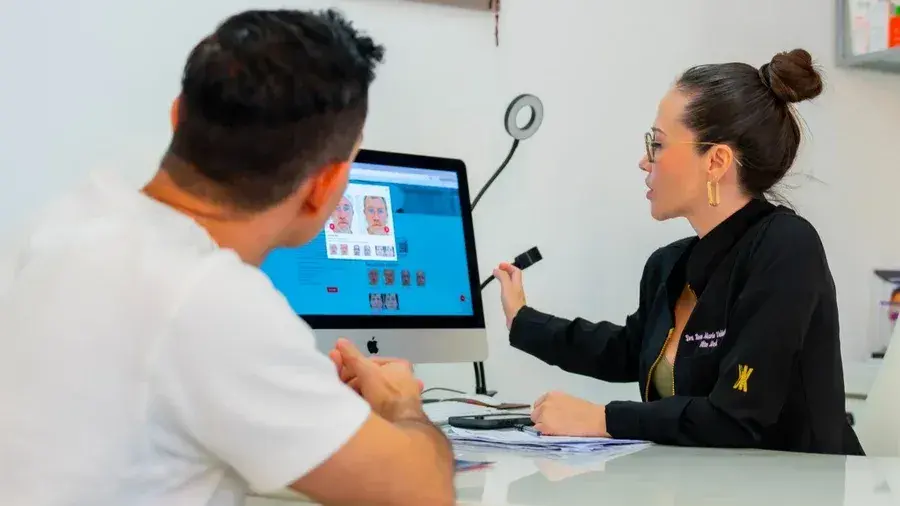
Your practitioner assesses the nature, distribution, and likely aetiology of your pigmentation concerns, reviews contributing factors such as UV exposure history, hormonal influences, and previous treatments, and determines whether PLLT may be appropriate as part of a personalised pigmentation management plan in Sydney.
Step 2
PLLT Treatment Session
Low-fluence Nd:YAG pulses are delivered across the treatment area in a systematic pattern. Sessions are generally well-tolerated — most patients describe a mild warmth or prickling sensation — and take approximately 20–40 minutes per visit.
Step 3
Ongoing Management
PLLT is tPLLT is typically performed as a course of sessions, with the number and interval tailored to your individual response and skin type. Sun protection and appropriate skincare are essential throughout. Your practitioner may also recommend complementary treatments — such as microneedling — as part of a broader pigmentation management programme, subject to clinical assessment.ypically performed as a course of sessions. Sun protection and appropriate skincare are essential to support results and minimise pigmentation recurrence.
⚕ Important — Sun Protection is Essential: Broad-spectrum SPF50+ sunscreen must be applied daily throughout and after your treatment course. Pigmentation conditions, particularly melasma, are significantly influenced by UV exposure. Inadequate sun protection may reduce treatment effectiveness and contribute to pigmentation recurrence. Your practitioner will provide a tailored skincare and sun protection plan as part of your ongoing management.
Frequently Asked Questions
(FAQs)
The sub-ablative, low-fluence approach of PLLT is designed to reduce the risk of post-inflammatory hyperpigmentation compared to higher-energy laser treatments. It is commonly used for Fitzpatrick skin types III–VI. Suitability is confirmed at consultation and parameters are carefully selected for each patient’s skin type.
PLLT is non-ablative; most people resume their day soon after. Some patients experience mild temporary redness that resolves within hours. Normal activities, including work, can be resumed the same day. Strict sun avoidance and SPF50+ application are required post-treatment.
Book a Pigmentation Consultation
Book a consultation at one of our Sydney locations. Our practitioners will assess your suitability for PLLT laser toning, discuss your pigmentation concerns, and develop a management plan tailored to your skin type.
Individual results vary. A personalised consultation is required to assess suitability. This is not medical advice.