
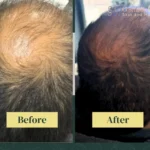
Hair Loss and Scalp Assessment

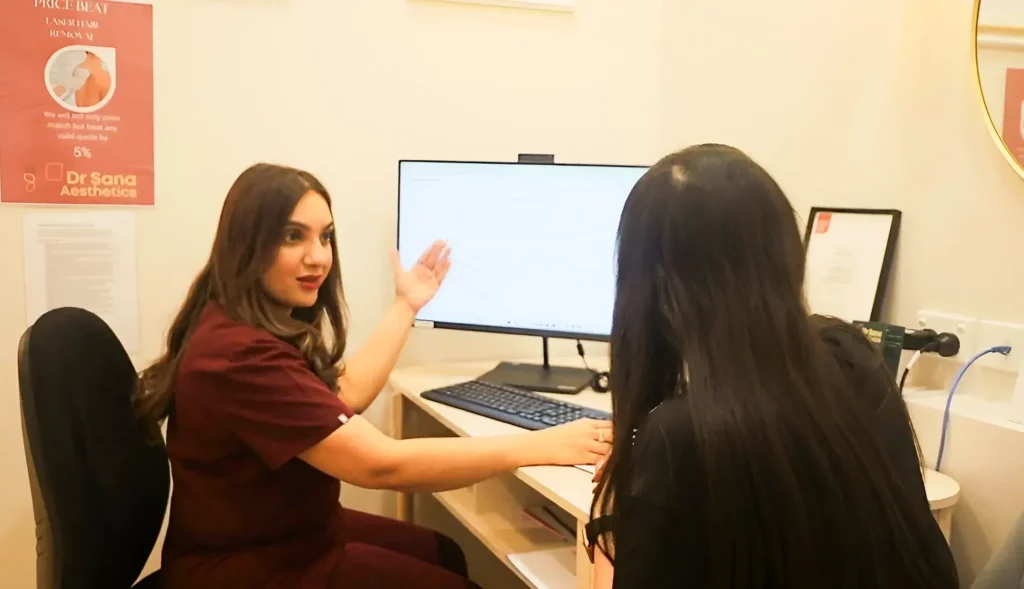
Hair loss, shedding and scalp symptoms can have different causes. A consultation allows a doctor to review your history, examine your scalp and discuss whether further assessment or management is appropriate. Suitability, risks, costs and likely outcomes are discussed before any treatment decision. Results vary and treatment may not be suitable for everyone.

Hair & Scalp Concerns Treatment

Assessment of symptoms and possible causes

Scalp itching, flaking, redness and hair shedding need assessment to identify possible causes. Management depends on the findings; further investigation or referral may be appropriate.
Learn More

Hair Restoration

Discuss suitability, limitations and alternatives
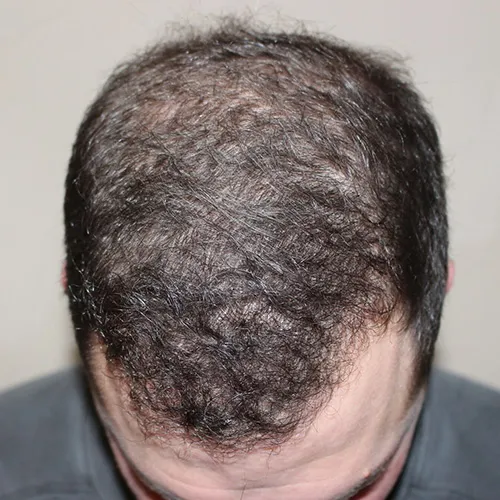
A hair loss assessment can help you understand management options, including choosing no treatment. Expected benefit, evidence, risks, costs and ongoing care requirements should be discussed before proceeding. Regrowth is not guaranteed.
Learn More

Hair Transplant

A procedure requiring individual assessment
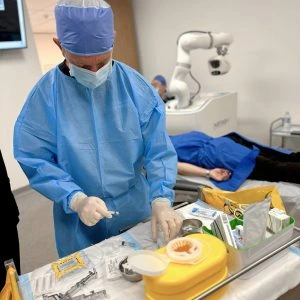
Hair transplantation relocates hair follicles from a donor area. It is not suitable for everyone. Risks include bleeding, infection, scarring, altered sensation, poor graft growth and an unsatisfactory appearance. Recovery and outcomes vary.
Learn More

ARTAS Robotic Hair Transplant

Discuss the procedure and its limitations
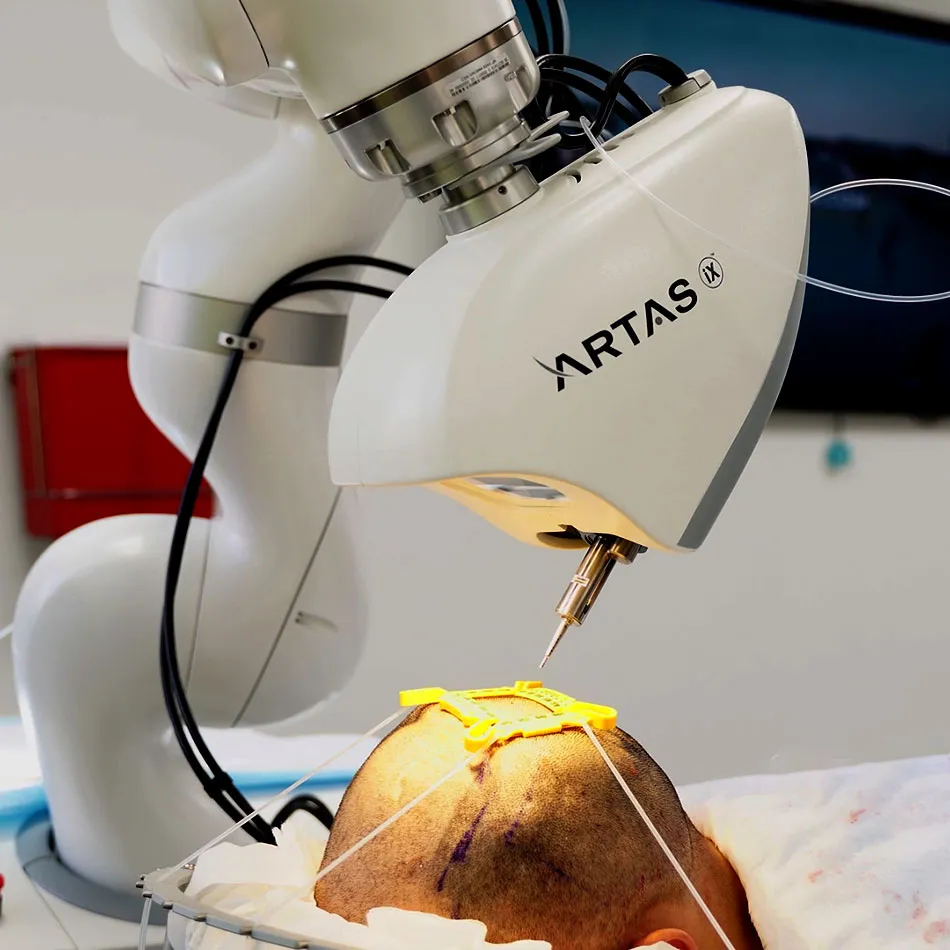
Robotic assistance may be used for parts of follicle extraction in hair transplantation. Technology does not remove procedural risks or guarantee graft survival or appearance. Individual suitability, risks and recovery require a clinical discussion.
Learn More

NeoGraft Hair Restoration

Assessment before any procedure
Automated instruments may assist follicular unit extraction. Hair transplantation still involves skin penetration, recovery and risks such as bleeding, infection, scarring and poor graft growth. Outcomes vary and further procedures may be needed.
Learn More

Considering an assessment?

Understand your options

A consultation is an opportunity to ask about the cause of your symptoms, the evidence for available options, their limitations and potential harms. You can take time to decide and may choose not to have treatment.

An examination or referral may be needed before a diagnosis or management plan can be made.

What an assessment can cover

The discussion depends on your symptoms, medical history and examination findings.

Possible causes

Your doctor can review the pattern and duration of hair loss, scalp symptoms, relevant health conditions and medicines. Further testing or referral may be needed.

Evidence and limitations

Ask how much evidence supports an option for your diagnosis. Improvement is not assured, response varies and some types of hair loss cannot be reversed.

Individual suitability

A management plan should reflect the diagnosis, your health, preferences and the balance of possible benefit and harm. Choosing no treatment is an option.

Follow-up and costs

Discuss expected review appointments, total costs, recovery and any ongoing care. Hair loss may continue despite treatment.

1

Clinical assessment

Discuss your symptoms and medical history with a doctor. Examination, investigation or referral may be needed before management is recommended.

2

Discuss options

Review the evidence, expected outcomes, risks, alternatives, recovery and costs. You can ask questions and take time to decide.

3

Decide whether to proceed

No treatment is suitable for everyone. Any procedure requires assessment and informed consent; an appointment does not mean treatment will be provided.

4

Follow-up and review

If treatment proceeds, follow the individual aftercare instructions and contact the clinic about unexpected symptoms or concerns. Seek urgent medical care for severe symptoms.

Before making a decision

Ask who will assess and treat you, their registration and relevant experience, where care will take place and how complications and follow-up are managed.

Practitioner information

Ask for the name, profession, registration details and relevant training of the practitioner who would provide your care.

Assessment before treatment

Recommendations depend on a clinical assessment. A particular device or procedure may not be appropriate for your diagnosis or medical history.

Risks and recovery

All procedures carry risks. Ask about common and serious complications, recovery time, alternatives and how to access follow-up care.

Risks, limitations and recovery

Risks depend on the proposed treatment and your health. Skin-penetrating procedures can cause pain, bruising, bleeding, infection and scarring. Hair transplantation can also cause altered sensation, temporary shedding, poor graft growth and an unsatisfactory appearance. Recovery varies and further care may be needed. No result is guaranteed. Your practitioner should explain the risks relevant to you before consent.

Frequently Asked Questions
(FAQs)

How is hair loss assessed?

A doctor reviews the pattern and duration of hair loss, scalp symptoms, your medical history and relevant medicines. Examination and, where indicated, testing or referral can help guide management.

No. Recommendations depend on the diagnosis and your circumstances. Options, including no treatment, should be discussed along with evidence, risks, limitations and costs.

Ask the clinic about consultation fees before booking. If management is recommended, request an individual explanation of the total costs, follow-up and any ongoing care before deciding.

No. Response depends on the diagnosis, individual health and the proposed management. Some people do not improve. Further treatment or ongoing care may be needed, and hair loss may continue.

Risks vary with the treatment. Skin-penetrating procedures may cause pain, bleeding, bruising, infection or scarring. Hair transplantation can also cause poor graft growth and an unsatisfactory appearance. Discuss your personal risks and recovery with the treating practitioner.

Arrange a hair and scalp assessment

Contact the clinic to ask about an assessment for hair loss or scalp symptoms. Confirm the appointment type, assessing practitioner and consultation fee before booking.

The number and timing of any appointments depend on your assessment. A standard course of treatment is not recommended without reviewing your individual needs.

A consultation does not commit you to treatment. This information is general and does not replace individual medical advice.

Consultation Request