
Advanced Hair Transplant Technology
Hair transplantation information
Dr Sana Pirzada — Medical Practitioner (General Registration), Ahpra MED0001970963.
ARTAS is a robotic assistance system used for parts of follicular unit excision in hair transplantation. It does not replace clinical assessment or eliminate procedural risks. Whether a particular technique is appropriate depends on hair and scalp characteristics, medical history and individual assessment.
Hair transplantation carries risks including pain, bleeding, infection, scarring, altered sensation, donor-area thinning, poor graft growth and an unsatisfactory appearance. Recovery and outcomes vary. A particular result or advantage over another technique cannot be guaranteed.
Individual assessment
Risks discussed
Variable outcomes
Doctor Led Procedure
Request information about an assessment
How ARTAS® Works
Imaging and planning
Imaging may assist planning. It does not replace assessment of the cause of hair loss, donor hair and suitability.
Assisted follicle extraction
Robotic assistance may be used during follicle extraction. This involves skin penetration and can cause bleeding, follicle injury and scarring.
Graft preparation
Extracted follicular units are prepared for placement. Not all grafts survive or produce visible growth.
Graft placement
Follicular units are placed in recipient sites. Hair direction, density and the final appearance vary and may differ from the plan.
Follow-up & Recovery
Follow-up appointments review healing and discuss aftercare and any concerns. Recovery and hair growth vary between individuals.
Questions about the proposed technique
Technique selection
Ask why a proposed method is appropriate for your hair loss, donor hair and health. No technique suits everyone.
Donor-area risks
Follicle injury, scarring and donor-area thinning can occur. Technology does not remove these risks.
Variable results
Graft survival, hair growth and appearance vary. A consistent or natural-looking result cannot be promised.
Procedure timing
Timing depends on the individual plan and clinical circumstances. Ask about the expected duration and recovery.
Practitioner roles
Ask who will perform each stage, their registration and relevant training, and who provides follow-up and complication management.
Information before a decision
Individual suitability
Donor-area risks
Practitioner roles
Variable graft growth
Possible limitations
Recovery and follow-up
hair assessment
- Doctor Consultation
- Personalised Treatment Plan
Confirm consultation fees before booking. Ask for total procedure costs, follow-up and possible additional care before deciding. An assessment does not commit you to treatment.
Risks, limitations and alternatives
Robotic assistance is one aspect of the procedure. Ask why the proposed technique is appropriate, what evidence supports any claimed benefit, who will perform each stage and how complications and follow-up are managed.
All procedures carry risks. Swelling, pain, redness, scabbing, bleeding, infection, scarring, altered sensation, poor graft growth and further hair loss can occur. Some complications can be lasting. Recovery and hair growth vary, and further care or procedures may be needed. Discuss alternatives, including no treatment, before consenting.
FREQUENTLY ASKED QUESTIONS
Q1:What is ARTAS® technology?
ARTAS provides robotic assistance for parts of follicle extraction in hair transplantation. It does not replace practitioner judgement, eliminate complications or guarantee hair growth or appearance.
Q2:How is ARTAS® different from manual extraction?
Robotic-assisted and manual techniques use different instruments and workflows. The appropriate approach depends on clinical assessment, practitioner training and individual factors. No technique guarantees better growth, less scarring or a particular outcome.
Q3:Is the ARTAS® procedure painful?
Discomfort can occur during and after transplantation. Discuss pain management, anaesthesia risks and recovery with the treating practitioner. A painless procedure or fixed recovery time cannot be promised.
Q4: Who is a good candidate for ARTAS®?
Suitability depends on the cause and stability of hair loss, donor-hair characteristics, scalp health, medical history and expectations. Some people are unsuitable. A doctor should discuss the options, limitations and risks before any decision.
Q5: Does ARTAS® leave linear scars?
Follicular unit excision leaves small wounds and can leave visible round scars. It should not be described as scar-free. Scarring, donor-area thinning and other complications remain possible.
Dr Sana's Consulting Days
Mount Annan
Monday &
Thursday
Eastgardens
Tuesday &
Saturday
Chastwood
Wednesday &
Friday
Conveniently Located Clinics
Contact the clinic to confirm the service location, practitioner and appointment availability.
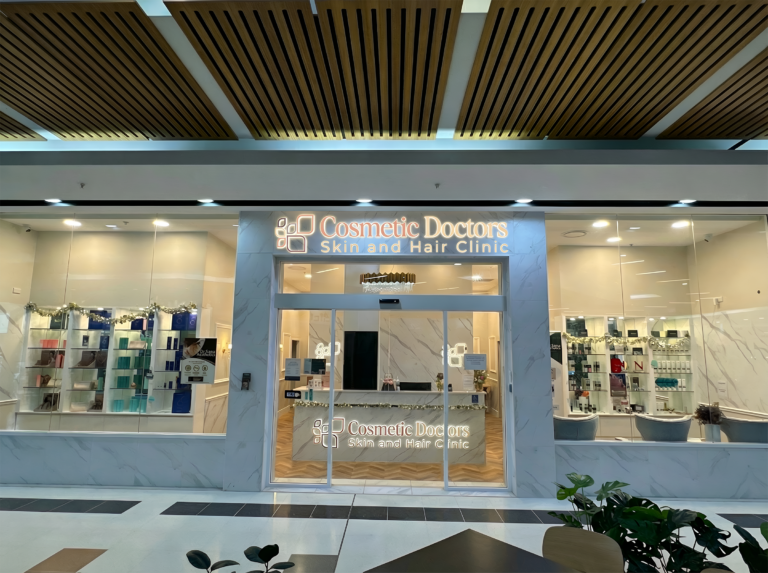
Mount Annan
Shop 23A Mt Annan Market Place 11-13 Main St, Mt Annan, NSW 2567
Mon – Fri: 9am – 5pm | Sat: 9am – 2pm
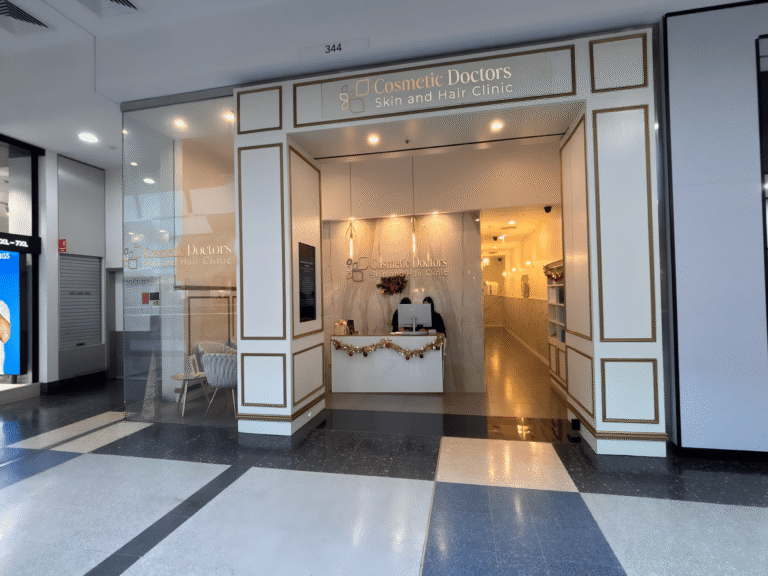
Eastgardens
Shop 344, Westfield Eastgardens 152 Bunnerong Road, Eastgardens NSW 2036
Mon – Fri: 9am – 5pm | Sat: 9am – 2pm
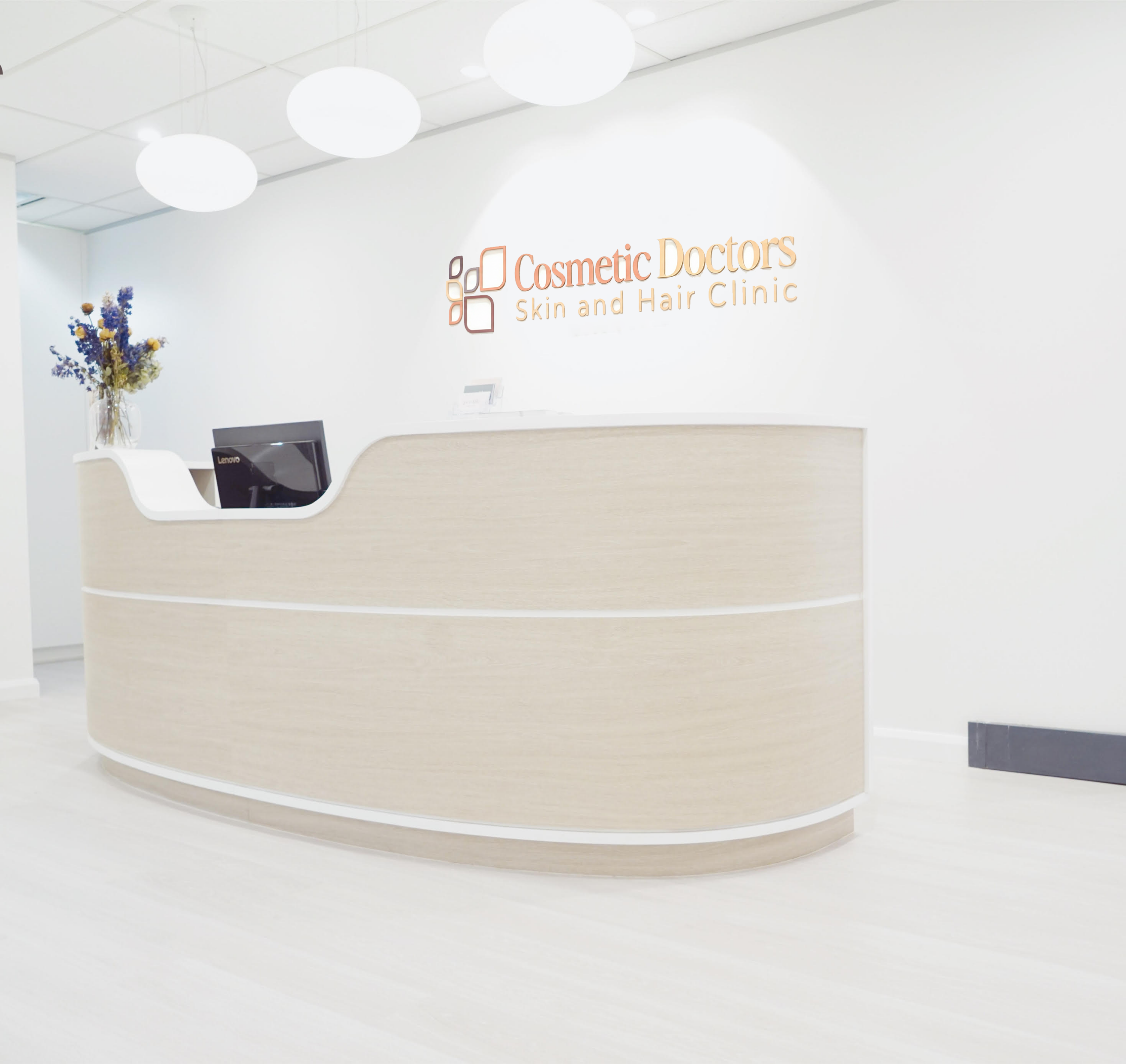
Chatswood
Suite 1101, South, Tower, 1/5 Railway St, Chatswood NSW 2067
Thu – Sat: 10am – 6pm | Sat: 10am – 6pm
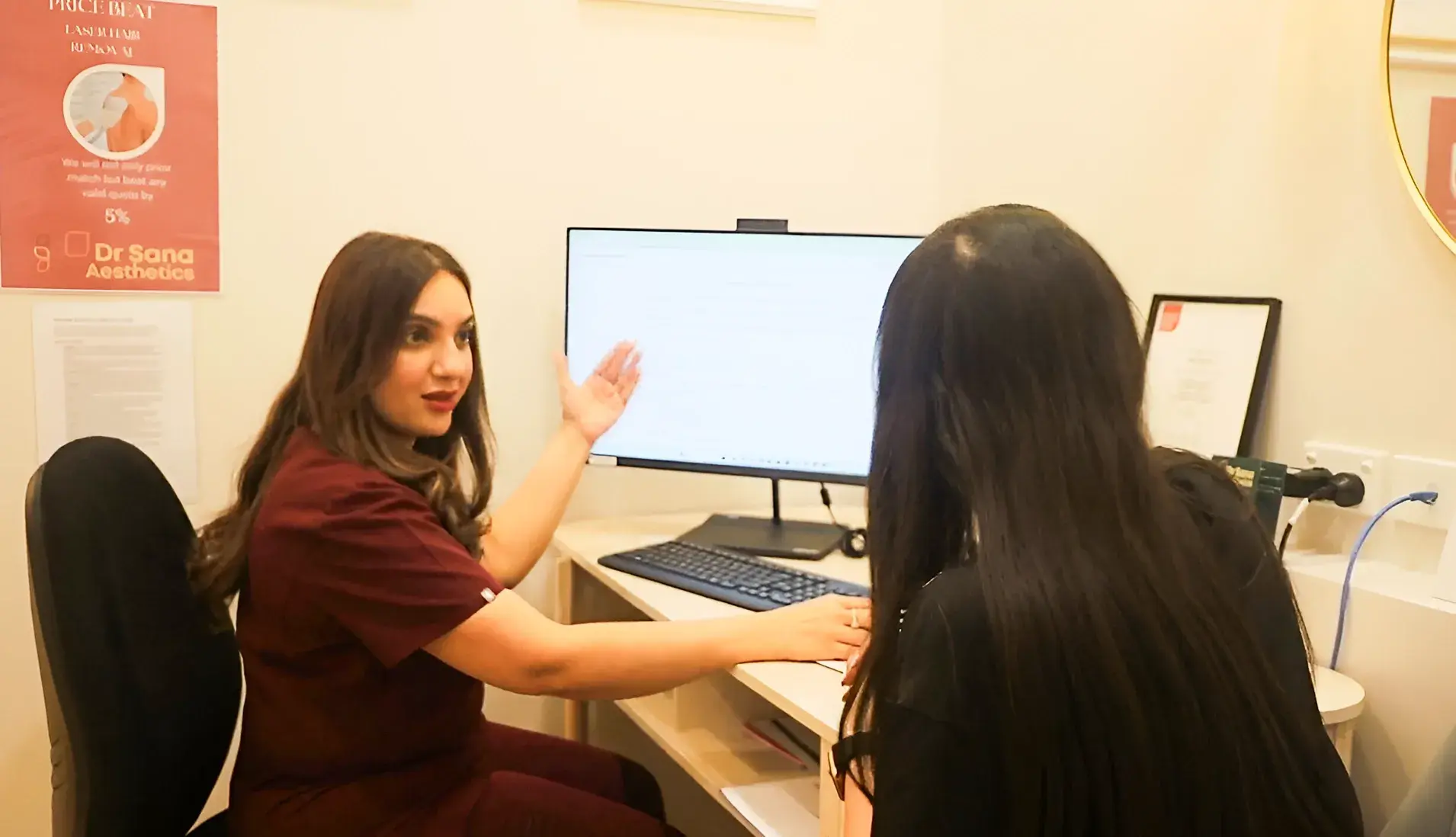
Enquire about a hair loss assessment
Contact the clinic to enquire about an assessment. Confirm the practitioner, location and fee before booking. You may choose not to proceed with treatment.