Find a Clinic

Written by Dr Sana Pirzada, Cosmetic Physician (MBBS, PG Dip Aesthetic Medicine), AHPRA MED0001970963. Reviewed: 7 October 2026.
This guide explains why eyebrows can sit lower over time, the non-surgical options a doctor may discuss, what realistic results look like, and the risks to consider before you decide.
As we age, the skin around the forehead and brows loses collagen and elasticity, and the brow can gradually sit lower. Genetics, sun damage and the way we use our facial muscles also play a part. A lower brow can make the upper eyelids look heavy or the eyes look tired. Some people want a subtle change without surgery. Non-surgical options can offer a modest lift for suitable patients, but they do not give the same result as a surgical brow lift. This guide covers how the options work, who they may suit, and what to ask at your consultation.
A non-surgical brow lift is a term for treatments that aim to lift or support the brow without incisions or a general anaesthetic. Depending on the cause of your brow position, a doctor may recommend energy-based skin tightening, an absorbable thread lift, or other options discussed at consultation. Results are usually subtle and temporary, and the right option depends on your anatomy, skin quality and goals.
What to expect from non-surgical options:
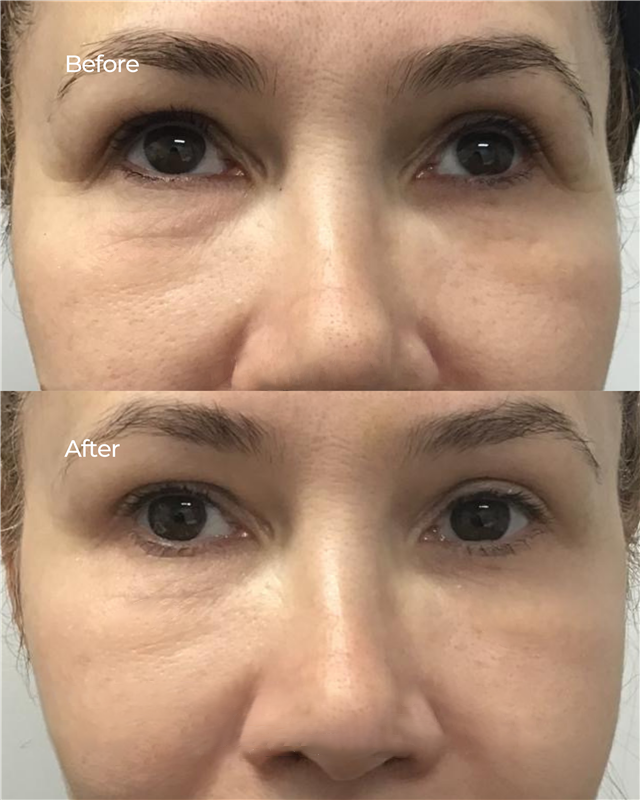
Your doctor will explain which options suit you, along with the expected results, recovery and risks.
Non-surgical options may suit adults with mild brow descent, early skin laxity or mild hooding of the upper eyelids. They are less suitable where there is significant excess eyelid skin, which may need surgical assessment (for example blepharoplasty or a surgical brow lift by a specialist surgeon). Your doctor will also ask about your medical history, medicines, pregnancy and previous treatments.
This procedure is particularly beneficial for individuals with hooded eyes, where excess skin folds down from the brow bone. A subtle lift can:
Results vary between individuals and depend on the option used, your skin quality and lifestyle. Energy-based tightening develops gradually and may last around a year or longer; thread lifts commonly last several months to around a year as the threads dissolve. Maintenance treatments may be recommended. No non-surgical option gives a permanent result.
Recovery depends on the option chosen. Redness, swelling, tenderness or bruising can occur and usually settle within days. After a thread lift you may be advised to avoid strenuous exercise, facial massage and wide mouth opening for a short period. Follow your clinician’s written aftercare instructions and contact the clinic if you have concerns.
The cost depends on the option recommended, the area treated and the number of sessions. Your doctor will give you a written quote after your consultation, so you can take time to decide.
A lower brow is a common change with age. Non-surgical options can offer a subtle lift for suitable people, while surgery remains the option for larger changes. The best first step is a consultation with a doctor who can assess the cause and explain realistic options, recovery and risks.
It depends on the option used and your skin. Energy-based tightening may last around a year or longer, and thread lifts usually last several months to around a year. Results are not permanent.
Most patients tolerate the procedures well. Local or topical anaesthetic may be used, and some heat or pressure can be felt during energy-based treatments.
Sometimes. Your doctor may suggest skin treatments for texture or laxity as part of an overall plan, after assessing your skin.
Cost depends on the option recommended. You will receive a written quote after your consultation.
Many people return to normal activities within a day or two, but swelling, redness or bruising can occur and recovery varies with the option chosen.