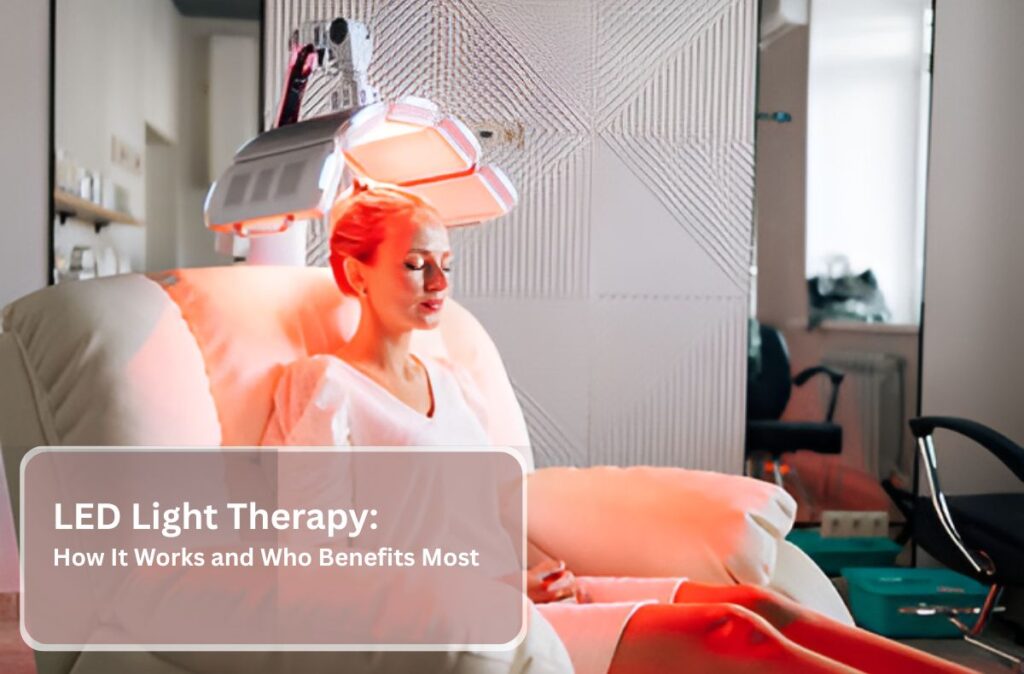
LED Light Therapy: How It Works and Who Benefits Most
[ Discover how LED Light Therapy revitalises skin health through advanced light wavelengths. This non-invasive treatment improves skin tone, reduces breakouts, and promotes collagen production, offering a safe and effective skincare solution for all ages. ]
Introduction
Maintaining youthful and healthy skin can be difficult due to daily exposure to sunlight, pollution, and lifestyle pressures. These factors can affect the skin’s natural balance and appearance. As a result, many Australians are now choosing gentler skin treatments that require no recovery time or invasive methods.
LED Light Therapy has become a popular choice in clinics and salons across the country. It helps improve skin tone, reduce acne, and stimulate collagen production. This method offers a calm, pain-free experience and suits those looking for noticeable results without the need for needles, peels, or harsh chemicals.
Research from Skin Health Australia shows that over 70% of people using light-based therapy notice clearer and smoother skin in just a few sessions. Each session usually lasts less than 30 minutes, making it an ideal option for those with busy routines who still wish to care for their skin.
Table of Contents
- Understanding What is LED Light Therapy
- How Does LED Light Therapy Work?
- How LED Light Therapy Improves Skin Tone and Texture
- Benefits of LED Light Therapy for Different Skin Types
- Ideal Candidates for LED Light Therapy
- What to Expect During and After the LED Light Treatment
- How Many Sessions Are Needed for LED Light Therapy?
- Conclusion
- FAQs
Understanding What is LED Light Therapy
LED Light Therapy refers to the use of light-emitting diodes to treat various skin concerns using specific wavelengths of visible light. Unlike laser or intense pulsed light treatments, LED Light Therapy does not heat the skin or cause any pain.
The therapy originated from NASA’s work on wound healing in space and has since been used in medical and cosmetic settings. Each colour of light penetrates the skin at different depths, with each offering a distinct benefit. Red light is commonly used to encourage collagen production, while blue light is applied to target acne-causing bacteria. Green and yellow lights are used to address pigmentation and skin redness, respectively.
LED Light Therapy is widely used in Australia due to its safety profile and the comfort of the treatment process.
How Does LED Light Therapy Work?
The treatment works by applying LED light to the skin, which delivers energy that is absorbed by cells. This energy is used by the skin cells to carry out repair processes and improve function. The light used is low-level and does not harm the skin in any way.
Each light colour penetrates the skin to different levels:
- Red Light penetrates deeply and helps to stimulate fibroblast cells, which are responsible for producing collagen and elastin. This can help with fine lines and skin texture.
- Blue Light reaches the top layers of skin and is used to kill bacteria associated with acne.
- Green Light can help balance skin tone and reduce areas of pigmentation.
- Yellow Light assists with reducing redness and improving circulation.
The therapy is simple, does not involve pain or discomfort, and can be completed quickly, making it ideal for people looking for a maintenance treatment without interruption to their daily schedule.
How LED Light Therapy Improves Skin Tone and Texture
It supports natural healing and strengthens the skin’s structure. With regular sessions, clients can expect improvements in tone, clarity, and smoothness.
For those managing acne, the blue light helps by targeting bacteria within the pores. Red light works to stimulate the production of collagen, assisting with firmness and elasticity. Clients with pigmentation or uneven tone can benefit from green and yellow lights, which work gently to even out the complexion.
The therapy also enhances the skin’s ability to absorb other skincare products, making them more effective. It can be used on its own or as part of a wider treatment routine to support long-term skin health.
Benefits of LED Light Therapy for Different Skin Types
LED Light Therapy offers various advantages based on skin type and concern:
- Oily or Acne-Prone Skin: Blue light reduces inflammation and bacteria that contribute to acne breakouts. Over time, it helps reduce excess oil production and pore blockages.
- Dry or Ageing Skin: Red light encourages collagen and elastin, which support firmness and hydration. It is often chosen by those wanting to improve skin thickness and reduce the appearance of lines.
- Sensitive Skin: Yellow light is gentle and calming. It can help with redness and irritation without aggravating sensitive skin types.
- Pigmented or Uneven Skin: Green light assists with correcting areas of discolouration and supports a more even skin tone across the face.
Each session supports the skin without causing damage, making it suitable for ongoing use by people with varied needs.
Ideal Candidates for LED Light Therapy
LED Light Therapy is appropriate for most adults and teens seeking a non-invasive solution for various skin issues. It is particularly well suited for:
- People with frequent acne or oily skin
- Those experiencing early signs of skin ageing, such as fine lines
- Clients wanting to support skin brightness and hydration
- Individuals with mild pigmentation or redness
- Anyone recovering from in-clinic treatments looking to calm the skin
This treatment is frequently recommended by skin therapists and cosmetic professionals due to its broad suitability and low risk.
What to Expect During and After the LED Light Treatment
A typical session is comfortable and brief. The skin is cleansed, and you may be asked to wear protective eyewear. The light source is positioned close to the face, and the treatment begins. Clients may feel a gentle warmth, but no pain or irritation.
Afterwards, skin may look slightly more radiant or feel smoother, with no recovery time needed. Some clients notice results after the first session, while others experience improvements over several visits. You can resume normal activities immediately after the treatment.
Consistency is important. Most people benefit from multiple sessions, depending on the condition being addressed.
How Many Sessions Are Needed for LED Light Therapy?
The number of sessions varies depending on the issue being treated and the client’s goals. For acne or redness, a course of 6 to 10 sessions is often recommended. These are typically spaced one to two weeks apart.
After the initial course, a monthly session can help maintain the improvements. Your therapist will provide advice on the best schedule during your consultation.
Conclusion
To reduce wrinkles effectively in 2025, focus on clinically proven treatments like Botox, fillers, and microneedling, paired with consistent skincare using retinoids and SPF. Choose products and procedures based on your skin type, not trends. Avoid marketing gimmicks and stick to ingredients backed by research. Support your results with healthy habits: hydration, sleep, sunscreen, and a balanced diet. For best outcomes, combine professional Wrinkle Reduction Treatments with at-home care and routine maintenance.
Take the first step—schedule your LED session for smoother skin today
FAQ
Some clients notice changes in their skin after the first session, particularly in texture and brightness. However, lasting results usually appear after several treatments.
Yes, it is often used alongside facials, peels, and microneedling to assist with healing and improve results.
It is considered safe for most people, including teenagers and adults. Those with light sensitivity or certain medical conditions should consult a professional before use.
Early 30s is common, but starting when fine lines first appear helps prevent deeper wrinkles from setting in.
No downtime is required. You can return to work or other activities immediately after your appointment.